May 22, 2026by Indira University
BA in Music: Course Details, Subjects, Eligibility & Career Scope
May 22, 2026by Indira University
6 Mins Read
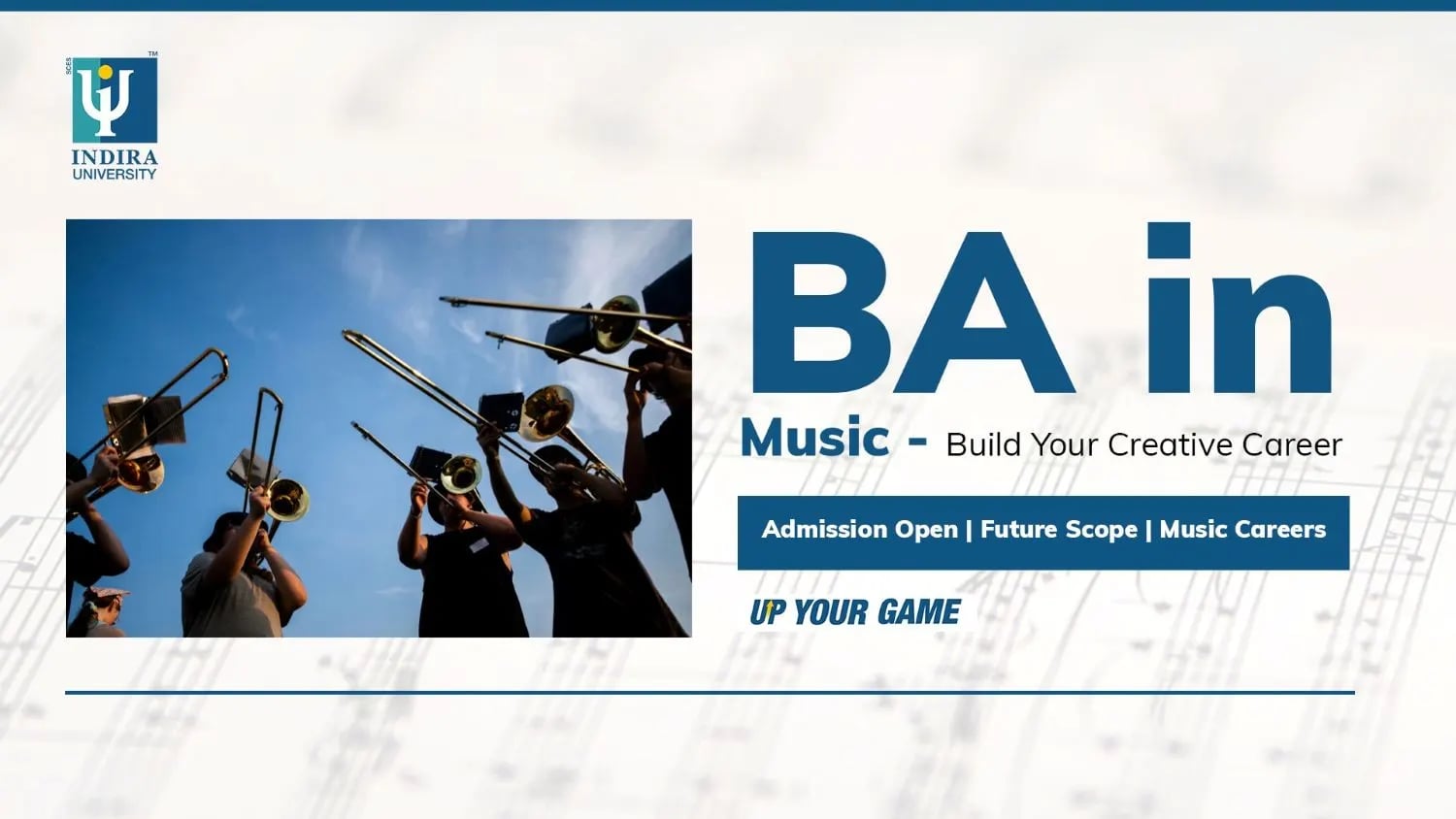
Have you ever felt your heart SKIP a beat when listening to your favorite song? Do you find yourself humming melodies & creating rhythms throughout the day? If music flows through your veins & you dream of turning your passion into a rewarding career, a Bachelor of Arts in Music might be your perfect harmony! This comprehensive guide will take you through everything you need to know about pursuing a BA in Music, from course details to exciting career opportunities that await talented musicians like you.
Music has the incredible power to heal, inspire, & bring people together across cultures & generations. In today’s digital world, the music industry is experiencing unprecedented growth, creating numerous opportunities for skilled professionals. Whether you aspire to be a performer, composer, music teacher, or audio engineer, a BA in Music provides the foundation you need to succeed in this vibrant industry.
What is a BA in Music?
A Bachelor of Arts in Music is a comprehensive undergraduate program that combines theoretical knowledge with PRACTICAL musical training. This three-year degree program is designed for students who are passionate about music & wish to pursue careers in performance, composition, music education, or music business. Unlike technical music courses, BA in Music provides a well-rounded education that includes liberal arts subjects alongside specialized music training.
The program covers various aspects of music including Western classical music, Indian classical music, folk traditions, contemporary genres, & digital music production. Students learn about music history, theory, composition techniques, & performance practices while developing their individual artistic voices. This degree program emphasizes both creative expression & analytical thinking, preparing graduates for diverse career paths in the music industry.
BA in Music students also gain valuable transferable skills such as discipline, creativity, teamwork, & communication abilities. These skills are highly valued in many professions beyond music, making this degree a versatile choice for students who want to keep their career options open while pursuing their musical interests.
BA in Music Course Details
The BA in Music program typically spans three years & is structured to provide progressive learning from foundational concepts to advanced musical skills. The curriculum is designed to accommodate students with varying levels of musical background, from beginners to those with prior training. Each semester builds upon previous knowledge while introducing new concepts & techniques.
Course delivery methods include lectures, seminars, individual tutorials, group workshops, & performance opportunities. Students participate in ensemble performances, solo recitals, & collaborative projects that help them develop confidence & stage presence. The program also includes music technology components, exposing students to digital audio workstations, recording techniques, & music software applications.
Assessment methods vary & include written examinations, practical performances, composition projects, research assignments, & group presentations. This diverse assessment approach ensures that students demonstrate competency across all aspects of musical study while allowing them to showcase their individual strengths & interests.
Eligibility Criteria and Admission Process for BA in Music
The basic eligibility requirement for BA in Music is completion of 10+2 education from a recognized board with a minimum percentage as specified by the university. Most institutions require at least 50% aggregate marks in qualifying examinations, though some universities may have different criteria for arts students.
Prior musical training is generally preferred but not always mandatory. Some universities conduct ENTRANCE examinations or auditions to assess candidates’ musical aptitude, creativity, & potential for growth. These auditions may include performance of prepared pieces, sight-reading exercises, basic theory questions, & rhythm recognition tests.
The admission process usually involves submitting applications with academic transcripts, personal statements explaining interest in music, & letters of recommendation from music teachers or mentors. International students may need to provide additional documentation such as language proficiency scores & credential evaluations.
BA in Music Subjects and Syllabus
The BA in Music syllabus covers a comprehensive range of subjects designed to provide both breadth & depth in musical education. Core subjects typically include Music Theory & Harmony, Music History & Appreciation, Sight Reading & Ear Training, & Vocal or Instrumental Training. Students choose specializations in areas such as Western Classical Music, Indian Classical Music, Jazz Studies, or Contemporary Music.
First-year subjects focus on fundamentals including basic theory, rhythm training, introduction to different musical styles, & beginning performance skills. Students learn about notation, scales, intervals, & basic harmonic progressions while developing their listening abilities through ear training exercises.
Second & third-year courses delve deeper into advanced theory, composition techniques, music analysis, & specialized performance training. Elective subjects may include Music Technology, Music Business, Music Therapy, Film Scoring, & World Music Studies. This diverse curriculum ensures that graduates have comprehensive knowledge & versatile skills.
Practical Training in BA in Music
Practical training forms the HEART of any BA in Music program, providing students with hands-on experience in performance, composition, & music production. Regular practice sessions, private lessons, & group rehearsals help students develop technical proficiency & artistic expression. Performance opportunities include solo recitals, ensemble concerts, & collaborative projects with other departments.
Recording studio sessions teach students about audio engineering, mixing techniques, & music production workflows. Many programs include internships with music companies, recording studios, performance venues, or educational institutions. These real-world experiences help students understand industry practices & build professional networks.
Master classes with visiting artists & industry professionals provide additional learning opportunities & exposure to different musical perspectives. Competition participation & festival performances further enhance students’ practical experience & help them develop confidence in various musical settings.
Skills Students Develop During a BA in Music
BA in Music students develop numerous valuable skills that extend far beyond musical abilities. Technical skills include proficiency in various instruments or voice, music theory knowledge, composition abilities, & familiarity with music technology platforms. These specialized skills form the foundation for careers in performance, teaching, & music production.
Soft skills developed through musical training include discipline, creativity, attention to detail, & the ability to work under pressure. Ensemble participation teaches teamwork, leadership, & communication skills. Performance experience builds confidence, stage presence, & the ability to connect with audiences.
Critical thinking & analytical abilities are strengthened through music analysis, composition projects, & research assignments. Time management & organizational skills develop naturally as students balance practice schedules, academic requirements, & performance commitments.
Career Opportunities After BA in Music
The career landscape for BA in Music graduates is DIVERSE & constantly expanding. Traditional opportunities include performance careers as solo artists, orchestra members, or session musicians. Teaching positions are available in schools, colleges, private music institutions, & through private instruction.
Emerging opportunities in the digital age include music production, audio engineering, film scoring, & music therapy. The entertainment industry offers roles in artist management, music journalism, concert promotion, & music business administration. Technology companies increasingly seek musicians for roles in app development, software design, & user experience research.
Freelance opportunities allow graduates to combine multiple income streams through performance, teaching, composition, & consultation work. Many successful musicians build portfolio careers that include various musical activities & provide both creative fulfillment & financial stability.
Why Choose Indira University for BA in Music?
Indira University offers an exceptional BA in Music program with state-of-the-art facilities, experienced faculty, & strong industry connections. The curriculum balances traditional musical education with contemporary industry needs, ensuring that graduates are well-prepared for modern career challenges. Small class sizes provide personalized attention & mentorship opportunities that help each student reach their full potential.
FAQs About BA in Music
Q 1. What is a BA in Music degree and what does the course include?
A BA in Music is a comprehensive undergraduate program covering music theory, performance, composition, history, & technology over three years.
Q 2. Which are the best colleges for BA in Music in India?
Top institutions include Indira University, Delhi University, and various specialized music colleges across major cities.
Q 3. What are the eligibility requirements for admission to a BA in Music course?
Completion of 10+2 with minimum percentage requirements; some institutions require auditions or entrance exams.
Q 4. What subjects are taught in a BA in Music program?
Core subjects include music theory, history, performance training, composition, ear training, & elective specializations.
Q 5. What are the career opportunities and salary after completing a BA in Music?
Career options include performance, teaching, production, & music business with salaries ranging from ₹3-10 lakhs annually based on specialization & experience.