M.Sc. – Cyber Security
Explore the fortress of the digital era—safeguard data, defend networks, and master the art of cyber resilience with our M.Sc. in Cyber Security at Indira University.
Study Mode
Full Time
Duration
2 Years
Commencement
July 2026
Assessment
Semester
Location
School of Information Technology, Indira University, Tathawade, Pune
Overview
The M.Sc. in Cyber Security program is an advanced postgraduate program designed to develop expertise in protecting digital systems, networks, and data from cyber threats. The program provides in-depth knowledge of ethical hacking, network security, cryptography, cloud security, digital forensics, and incident response. Students learn to identify vulnerabilities, analyze risks, and implement robust security solutions to safeguard critical information infrastructure.
The curriculum blends theoretical concepts with practical training through simulations, cybersecurity labs, and live industry projects. Emphasis is placed on developing analytical thinking, ethical responsibility, and hands-on defence skills against evolving cyberattacks. The program also introduces students to the latest tools, technologies, and regulatory frameworks shaping the global cybersecurity landscape. Graduates are prepared for roles such as Security Analyst, Cyber Forensics Expert, Ethical Hacker, Information Security Manager, and Network Defence Specialist, contributing to the creation of secure and resilient digital ecosystems across industries.
Why pursue M.Sc. - Cyber Security with Indira University?
Testimonials
 Diana Alexanderi,
Dynacare, LLP , Project Management Coordinatorr

Hello My name is Diana, I was part of Placement cell at Indira in 2008-09. Being in the placement cell was like having that job that prepares you for future job you want to go and get. It was that perfect bridge for me that could be a transition from a student into a responsible human being.
Working in Placement Cell and talking about the big companies and different industries was so amazing because it was an eye-opening experience for me. Being a part of placement team, it was always a best learning experience as we used to have interaction with corporate representatives and came to know about the work culture thereat, briefly.
Gautam Roy,
Zurich Insurance Group, Sr. Big Data Engineer

My five years journey at ICCS started from an average student and groomed me into a highly skilled professional. It has also been a great contributor to the development of my personality. Huge respect, love and devotion for all my highly skilled teachers; it’s their efforts that make me to count myself into better professionals internationally today!
The infrastructure of ICCS is one of the finest in Pune and the best thing about it is the cross-culture interaction between students from various parts of the world. I will always be grateful to them for providing me a platform of practical learning and preparing me for the corporate life
Sharif Malik,
CATHAGO, Germany, Cofounder and CTO

Its my privilege to be a part of this prestigious college, ICCS. My life took a wonderful twist when I stated my journey here. I gained confidence, knowledge and also learnt the art of giving back to society and sharing my knowledge to my juniors. Whenever I come to the campus, I feel utmost happiness and pleasure and feels like coming back to my home.
Overview
Renowned among the best cybersecurity colleges in Pune, Indira University delivers advanced expertise in its master’s degree in cybersecurity, as you master cyber defence, ethical hacking, network protection and digital forensics. Through hands-on learning, you will engage in real-time simulations, threat analysis and industry-based projects that mirror actual security environments. The cutting-edge M.Sc. in Cyber Security curriculum goes further to explore AI-driven security, cloud protection and strategic risk management, equipping you with tools and insights aligned to modern cyber challenges.
Industry exposure is built in via workshops, internships and live case studies led by seasoned cybersecurity professionals. You will develop future-ready skills with strong analytical, technical and problem-solving capabilities, making you ready for roles in the defence of digital assets and intelligent systems. At the same time, the program encourages innovation and research, so you can contribute to secure, sustainable digital ecosystems. With this foundation, you will be prepared for global opportunities in cyber defence, governance and emerging technology fields.

Curriculum
| SEMESTER I | ||
|---|---|---|
| Nature of the Course | Title | Credits |
| Major Mandatory | Ethical Hacking and VAPT | 2 |
| Major Mandatory | Practical Based on Ethical Hacking and VAPT | 2 |
| Major Mandatory | Mobile Application Development | 2 |
| Major Mandatory | Practical Based on Mobile Application Development | 2 |
| Major Mandatory | Cyber Law and Digital Forensics | 2 |
| Major Mandatory | Database Security and Secure Design | 2 |
| Indian Knowledge System (Generic) | Introduction to Indian Knowledge Systems (IKS) | 2 |
| Major Elective | Python Programming for Security | 2 |
| Practical Based on Python Programming for Security | 2 | |
| OR | ||
| Major Elective | C++ Programming for Security | 2 |
| Practical Based on C++ Programming for Security | 2 | |
| Research Methodology | Research Methodology | 4 |
| Value Added Course | Policy, Governance & Leadership in Action | 1 |
| Total | 23 | |
| SEMESTER II | ||
|---|---|---|
| Nature of the Course | Title | Credits |
| Major Mandatory | Malware Analysis | 2 |
| Major Mandatory | Practical based on Malware Analysis | 2 |
| Major Mandatory | Cyber Security Audit and Compliance | 2 |
| Major Mandatory | Information and Network Security | 2 |
| Major Mandatory | Security Operations Center | 2 |
| Major Mandatory | Practical based on Security Operations Center | 2 |
| University Courses | Decoding AI | 1 |
| SOUL | 1 | |
| Major Elective | Foundation of Data Science | 2 |
| Practical based on Foundation of Data Science | 2 | |
| OR | ||
| Major Elective | IoT Security | 2 |
| Practical based on IoT Security | 2 | |
| Field Project | Project | 4 |
| Value Added Course | Technology, Policy & Digital Impact Lab | 1 |
| Total | 23 | |
| SEMESTER III | ||
|---|---|---|
| Nature of the Course | Title | Credits |
| Major Mandatory | Mobile Application Security | 2 |
| Major Mandatory | Practical based on Mobile Application Security | 2 |
| Major Mandatory | Cloud Security and DevSecOps | 2 |
| Major Mandatory | Practical based on Cloud Security and DevSecOps | 2 |
| Major Mandatory | Block Chain and Block Chain Security | 2 |
| Major Mandatory | Practical based on Block Chain and Block Chain Security | 2 |
| University Course | Essentials of Sustainability | 2 |
| Major Elective | Artificial Intelligence and Machine Learning for Cyber Security | 2 |
| Practical based on Artificial Intelligence and Machine Learning for Cyber Security | 2 | |
| Major Elective | Security in Big Data & AI Systems | 2 |
| Practical based on Security in Big Data & AI Systems | 2 | |
| Research | Research Methodology & Technical Writing (120 Hrs) | 4 |
| Total | 22 | |
| SEMESTER IV | ||
|---|---|---|
| Nature of the Course | Title | Credits |
| Major Mandatory | Full Time Industrial Training (IT) | 16 |
| Research Project | Research Project | 6 |
| Total | 22 | |
Pedagogy and Learning Methodology
Our master’s in cybersecurity program offers a blended-learning approach that combines foundational theory, practical labs, simulations and real-world projects so that cybersecurity concepts are applied effectively. Live threat analysis, ethical hacking exercises and cloud security implementations give hands-on exposure. With a curriculum that fosters research and innovation, students explore emerging technologies and develop novel cybersecurity solutions. Industry interaction is woven throughout via guest lectures, workshops, and internships. Analytical and critical thinking are sharpened through case studies, collaborative work and targeted assessments. Alongside technical growth, holistic development is emphasized through ethics, leadership, communication and teamwork. Continuous mentorship, personalized guidance, peer learning and regular evaluations support ongoing academic and career growth.
Key Points:
- Blended Learning
- Hands-On Exposure
- Research & Innovation
- Industry Interaction
- Analytical & Critical Thinking
- Holistic Development
- Continuous Mentorship
Industry Immersion
Industry immersion offers postgraduate students hands-on exposure to real-world cybersecurity environments. Through internships, live projects, and collaboration with leading firms, students gain practical experience in threat analysis, ethical hacking, and compliance frameworks. This program bridges academic learning with industry practices, ensuring students are job-ready and globally competitive.
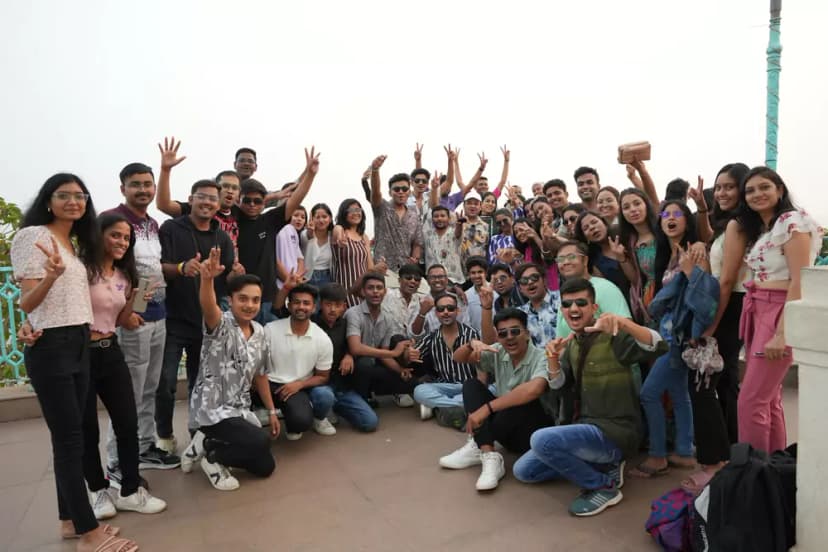
IT Industrial Visits

As part of its commitment to bridging the gap between academic learning and industry practice, Indira University, one of the best colleges for M.Sc. in Cyber Security, organizes regular Industrial Visits to the IT Sector for its students. These visits are a key component of the curriculum, offering students the chance to explore real-world applications of their studies and gain invaluable insights into the technology industry.
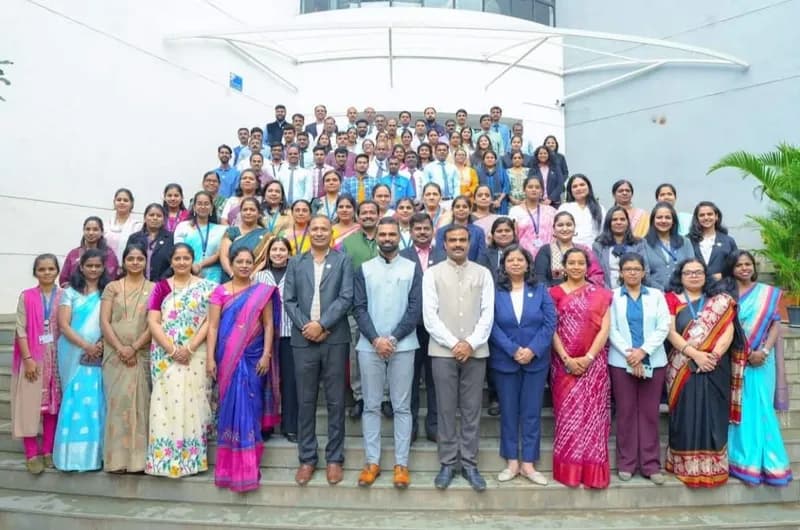
PCMC Cyber Threats Collaboration
As part of its ongoing efforts to enhance cybersecurity awareness and preparedness, Indira University has initiated an exciting partnership where its Cyber Students work closely with PCMC to tackle pressing cyber threats and promote safe online practices.
Partnerships with Firms and Government
With the increasing importance of securing digital data, partnerships with leading cybersecurity firms or government agencies can offer students hands-on experience in identifying, preventing, and responding to cyber threats.
Industry Readiness Program
Tie-ups with training institutes and industry leaders are done to provide students with hands-on training, exposure to industry practices, and essential soft skills required for a successful career in technology. The Industry Readiness Program will help bridge the gap between academic learning and real-world demands, ensuring that students graduate with industry-ready skills.

Project Guidance Program
In its ongoing efforts to bridge the gap between academic learning and industry requirements, Indira University has a Project Guidance Program, where PG students work closely with industry experts on real-time projects. This collaboration ensures that students not only gain practical knowledge but also develop the skills and expertise required to succeed in today’s fast-paced job market.
Exposure Trips
Exposure trips for postgraduate students in Cyber Security are designed to provide practical insights into advanced security practices and global standards. Students visit leading cybersecurity firms, security operation centers (SOCs), government agencies, and research institutions, gaining exposure to real-world threat analysis, ethical hacking, and risk management strategies. These trips enable learners to interact with security professionals, observe live incident response systems, and understand compliance frameworks. Such experiences strengthen technical expertise, foster industry connections, and prepare students for roles in network security, digital forensics, and cyber defence. These trips complement academic rigor with hands-on learning for career readiness.

Summer School Program
Indira University collaborated with Synergy University in Moscow and Cox & Kings Financial Services Ltd to provide students with a unique Summer School Program. This initiative offered global exposure through workshops, interactive sessions, and cultural exchanges, enhancing students’ understanding of international business practices, communication trends, and cross-cultural management. Participants gained valuable insight into global markets while networking with peers and professionals abroad, broadening their academic and cultural perspectives.

Study Tour and MOU
As part of its mission to deliver globally aligned education, Indira University conducted a study tour to Asia Pacific University in Kuala Lumpur. The tour allowed students to explore academic innovations and technological advancements in Malaysia. During the visit, an MOU was signed to implement training programs in Information Technology, Commerce, and Management. This partnership ensures students receive international academic inputs, skill-building workshops, and hands-on learning experiences, preparing them for global careers.
India Science Congress Association (ISCA)
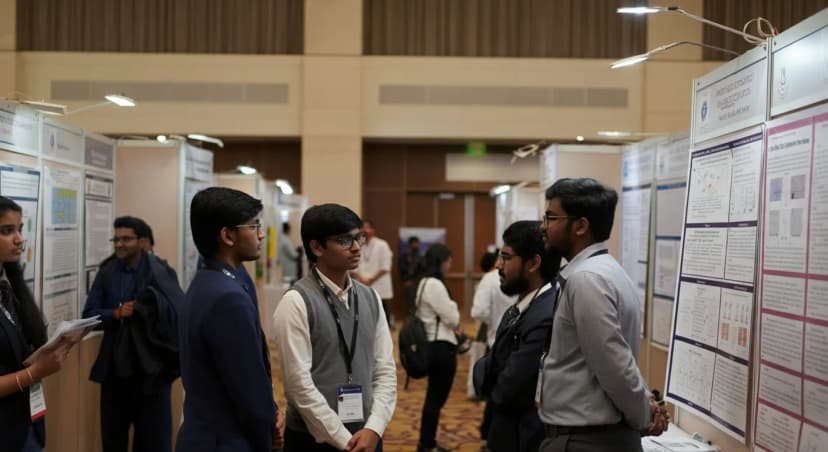
Demonstrating a strong research orientation, students from Indira University actively participated in the India Science Congress Association (ISCA). They presented research papers and posters on emerging topics across science, technology, and innovation. This exposure helped them develop critical thinking, presentation skills, and the confidence to contribute to scholarly discussions. It also provided a platform to engage with experts, researchers, and academicians from across the country, fostering a research-driven mindset.
Mahabaleshwar Green Tour
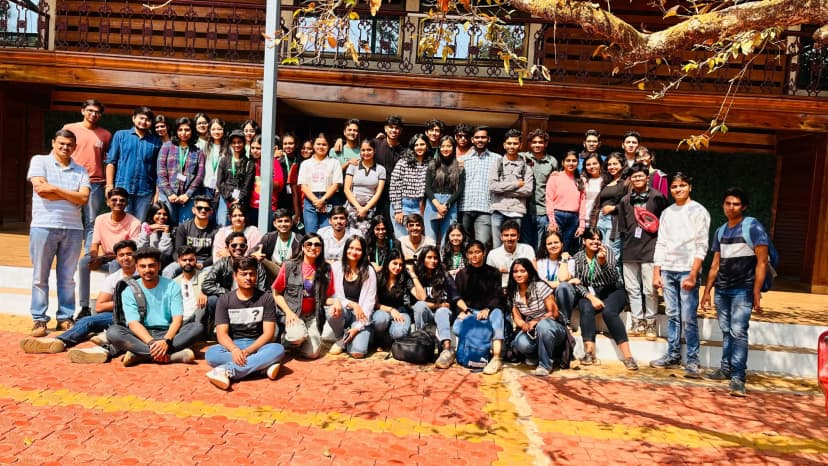
In alignment with its sustainability goals, Indira University organized a Green Tour to Mahabaleshwar. This educational excursion allowed students to explore eco-tourism initiatives, organic farming practices, and environmental conservation efforts in the region. Alongside academic enrichment, the tour aimed to instill a sense of ecological responsibility and promote well-being. Students also had the opportunity to bond with peers, reflect on environmental issues, and enjoy nature’s tranquility, making learning holistic and memorable.
Career Opportunities
Graduates of the M.Sc. in Cyber Security program at Indira University – School of Information Technology can pursue rewarding careers in diverse sectors. Key roles include Cyber Security Analyst, SOC Analyst, Penetration Tester, Network Security Engineer, Cloud Security Engineer, and Information Security Auditor. Opportunities also exist in Digital Forensics, Cybercrime Investigation, and Governance, Risk & Compliance (GRC). Emerging domains such as AI/ML Security and Cloud Security offer strong growth prospects. Graduates can work with leading IT firms, consulting companies, government agencies, and research organizations, ensuring a secure digital ecosystem through advanced technical and analytical expertise
The career opportunities for the students of M.Sc. in Cyber Security include:
Cyber Security Analyst
Information Security Analyst
Security Operations Center (SOC) Analyst
Network Security Engineer
Penetration Tester / Ethical Hacker
Application Security Tester
Cloud Security Associate / Engineer
Endpoint Security Specialist
Malware Analyst / Reverse Engineer
Threat Intelligence Analyst
Governance, Risk and Compliance (GRC) Analyst
Information Security Auditor
IT Security Consultant
Risk & Compliance Associate
Vulnerability Management Analyst
Overview
The application journey at Indira University has been crafted to be both clear and user-friendly. Beginning with online registration and email verification, each step is laid out so applicants know exactly what to do and when. After registering, you complete the form, pay the fee and proceed to final submission, all through a well-defined process.
Bachelor of Computer Science (BCS)
Or
B.Sc. (Computer Science)
Or
Bachelor of Engineering (BE) in Computer Science/Information Technology/Electronics and Telecommunication /AI and Data Science/AI and Machine Learning/ equivalent.
Or
B.Sc. in IT
Or
B.Sc. in Entire Computer Science
Or
B. Voc. in Software Development/ Information Technology
Or
B.Sc. degree with Computer Science as the Principal subject
Or
Computer Science as one of the subject at T. Y. B. Sc. level for student with general B.Sc.
Or
B.Sc. (Cyber Security)
or
B.Sc (Data Science)
or
B.Sc. Artificial Intelligence & Machine Learning (AI & ML)
Or
B.Sc. (Cloud Computing)
Or
BCA (with 12th Science Stream)
With 50% marks and 45% marks for Reserved Category.
AND
Non-zero score in Indira CET (PG)
Scholarships
At Indira University, we make it our mission to keep education accessible for everyone. We offer a wide array of scholarships to support students who face financial challenges, aiming to remove economic barriers and give deserving learners the chance to fully focus on their studies and shape their future with confidence.

M.Sc. in Cyber Security is a postgraduate program focused on protecting digital systems, networks, and data from cyber threats. It combines theoretical knowledge with practical training in areas such as ethical hacking, digital forensics, network security, cloud security, and cyber laws, preparing graduates to manage and prevent complex cyberattacks.
Yes, an M.Sc. in Cyber Security is worth pursuing in India due to the rapid growth of digital infrastructure and rising cyber threats. Organizations across IT, banking, government, healthcare, and e-commerce require skilled security professionals, making this qualification highly relevant for long-term career stability and global opportunities.
For M.Sc. Cyber Security at Indira University, candidates must hold a relevant bachelor’s degree such as B.Sc. Computer Science, BCA, B.Sc. IT, Engineering (CS/IT or related fields), or equivalent, with the required minimum aggregate marks. Applicants must also have a valid, non-zero score in Indira CET (PG).
The future scope of M.Sc. Cyber Security is strong, driven by increasing cybercrime, data protection regulations, cloud adoption, and digital banking. Professionals with advanced security skills are expected to be in high demand through 2030 across industries, with opportunities for specialization, global roles, and leadership positions.
After completing M.Sc. Cyber Security, graduates can work as Cyber Security Analysts, SOC Analysts, Ethical Hackers, Network Security Engineers, Cloud Security Specialists, Digital Forensics Analysts, GRC Analysts, or Information Security Consultants across IT firms, enterprises, government agencies, and security consulting organizations.
Pune has several institutions offering M.Sc. Cyber Security. Students should assess curriculum relevance, lab facilities, faculty expertise, and practical exposure. Indira University’s School of Information Technology is a strong option due to its hands-on learning approach, industry-focused curriculum, and structured academic framework.
The admission process at Indira University includes meeting eligibility criteria, completing the online application, paying the application fee, appearing for Indira CET (PG), checking the merit list, receiving the admission offer, confirming admission, and commencing the program as per the academic schedule.