MBA – Sustainability Management
Decode sustainability risks, design resilient business models, manage ESG-driven change, and lead responsibly with Indira University’s MBA in Sustainability Management!
Study Mode
Full Time
Duration
2 Years
Commencement Month
July 2026
Assessment
Semester
Location
Indira University, Tathawade, Pune
Overview
The MBA in Sustainability Management at Indira University is structured to develop professionals who can align business performance with long-term environmental and social responsibility. As a future-focused MBA in Sustainability Management in India, the program focuses on embedding sustainability into managerial thinking. Students are introduced to contemporary concepts such as sustainable business strategy, environmental governance, ESG reporting, climate resilience, and responsible supply chain management. The program provides exposure to global ESG and sustainability frameworks such as GRI, SASB, TCFD, ISSB, BRSR, and SDGs, enabling graduates to work confidently across compliance, reporting, and sustainability strategy roles.
The curriculum combines theoretical foundations with practical exposure through case analyses, industry-oriented projects, and experiential learning, allowing students to understand how sustainability decisions are made within organizations. Emphasis is placed on critical thinking, ethical leadership, and data-driven decision-making to address evolving regulatory, economic, and societal expectations.
Graduates of the program are prepared to contribute effectively across sectors by supporting organizations in managing risk, improving operational efficiency, and creating shared value. The program aims to nurture leaders who can guide businesses toward responsible growth while responding thoughtfully to global sustainability challenges.
Why pursue an MBA – Sustainability Management with Indira University?
Testimonials
 Nikhil Singh,
Deputy Manager, ICICI Bank , Batch: 2020-22
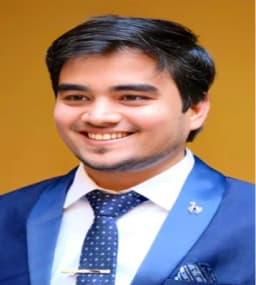
I pursued my PDGM in Marketing from ISBS PGDM, Pune and my experience was quite well pleased with the upshot of the academics in here. Faculties in PGDM were industry skilled, quite resourceful and determined to impart qualitative and in-depth knowledge thanks to all my professors helping to get better placements and a rewarding career.
When I started on my PGDM Program in 2020, I was hoping that my degree would provide me with the credentials and business acumen to someday become corporate ready. I have to say that my management program gave me a lot more than I expected. Thanks #ISBS PGDM
Ayushi Shah,
Customer Associate, Neilsen IQ

The two years I spent there were nothing short of transformative. The institute provided me with unparalleled exposure, whether it was participating in cultural events, hosting programs, networking with industry experts, or preparing for placements.
It was here that I discovered my true potential by stepping out of my comfort zone and embracing every opportunity that came my way. I landed a job in a company I never thought of. Reflecting on my time at Indira, I can confidently say it was an amazing experience
Shweta Pathak,
Associate Consultant-Business Analyst, Infosys

What I loved the most about my college experience was the vibrant and diverse comity of students and faculty. The interactions and friendships I formed enriched my learning journey and provided a supportive environment for personal and academic growth.
Additionally, the opportunities for extracurricular activities, cultural events, and leadership development made my college experience memorable and fulfilling.
Learning Experiences
The learning experience of the MBA in Sustainability Management is designed to be immersive, reflective, extensive, and practice oriented. Aligned with the academic standards followed by leading MBA in Sustainability Management colleges in India, students engage with real business scenarios through case discussions, live projects, and industry-led sessions that connect theory with contemporary sustainability challenges. The program encourages collaborative learning, critical analysis, innovation, and problem-solving, enabling learners to examine complex environmental and social issues from multiple perspectives. Exposure to current tools, frameworks, and reporting standards enhances practical understanding. This structured yet flexible learning environment supports intellectual growth while building the confidence required to apply sustainability principles effectively within diverse organizational settings.

Curriculum
Pedagogy
The pedagogy of the MBA in Sustainability Management is designed to promote experiential and analytical learning. The program adopts a learner-centric approach that combines classroom instruction with live case-based discussions, industry projects, and practical assignments. Emphasis is placed on problem-solving, data-driven analysis, and strategic thinking through real-world sustainability challenges.
Interactive lectures, group work, presentations, and simulations encourage collaboration and peer learning. Guest sessions by industry practitioners provide practical insights into current sustainability practices and regulatory expectations. Continuous assessment, research-based projects, and applied learning activities ensure that students develop both conceptual clarity and the ability to apply sustainability principles effectively in professional environments.
Key Points:
- Case studies
- Simulations
- Classroom lectures with interactive discussions
- Technology-enhanced learning tools
- Study tours and immersion programs
- Internships
- Guest lectures
- Research-Based learning
- Group projects and Collaborative assignments
Industry Immersion
At our School of Business, industry immersion provides students with meaningful exposure to real-world business environments. Through internships, field visits, and expert interactions, learners gain insights into how organizations implement sustainability strategies and manage routine challenges. This hands-on engagement and real-world learning strengthens practical understanding, enhances analytical and problem-solving skills, and helps students connect academic concepts with professional expectations, preparing them to contribute effectively across diverse industries.
Future Leader Development Program

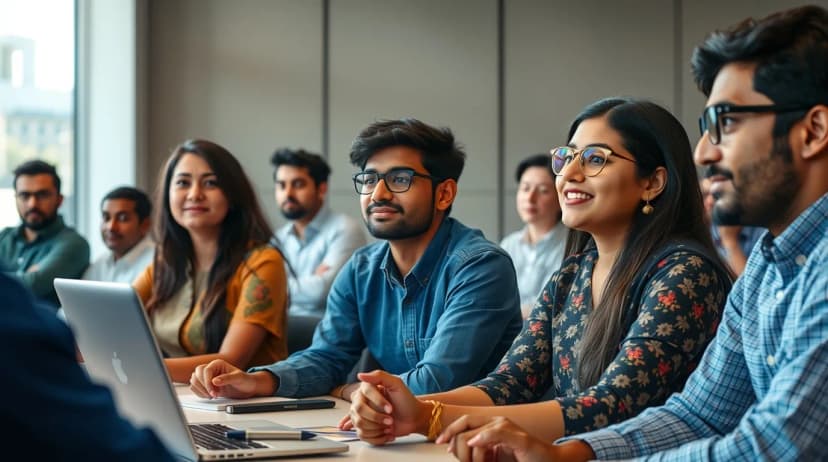
A carefully designed leadership journey aimed at preparing the next generation of business leaders. The MBA in Sustainability Management program draws on insights from industry experts and experienced professionals who share real-world perspectives. Through leadership labs, strategic simulations, and interactive workshops, students develop executive presence, sharpen strategic thinking, and learn to make informed decisions in high-pressure environments. The focus extends beyond skill development to cultivating a strong and adaptable leadership mindset.
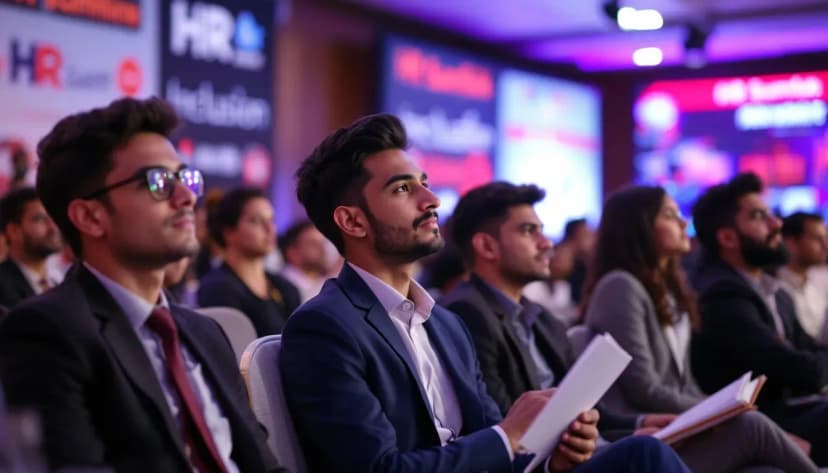
Sustainability Summit
The Sustainability Summit brings together thought leaders, environmental strategists, policy experts, and corporate sustainability practitioners to discuss emerging trends in ESG, climate risk, responsible supply chains, and circular economy innovations. Students engage in masterclasses, panel discussions, and case-driven dialogues that bridge global sustainability frameworks with Indian regulatory perspectives. The summit strengthens awareness of climate challenges, reporting standards, and impact measurement, while offering valuable exposure to real-world sustainability initiatives across industries. This platform nurtures informed perspectives and encourages students to contribute meaningfully to responsible and resilient business transformation
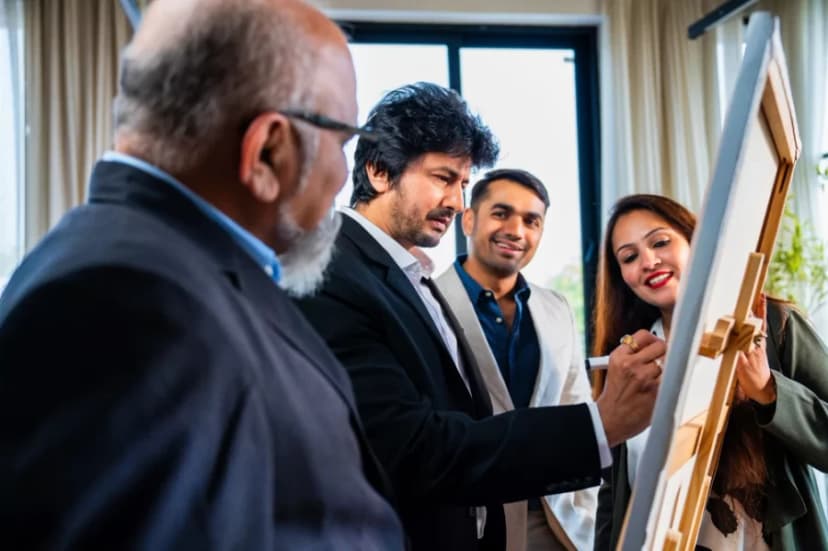
Industry and Company Analysis Initiative
This initiative offers students a structured exposure to real business environments and market dynamics. By conducting in-depth company studies, sectoral analysis, and live case evaluations, students gain clarity on competitive strategies, industry trends, and organizational responses. The initiative helps translate academic concepts into practical insights, strengthening market awareness and analytical capability.
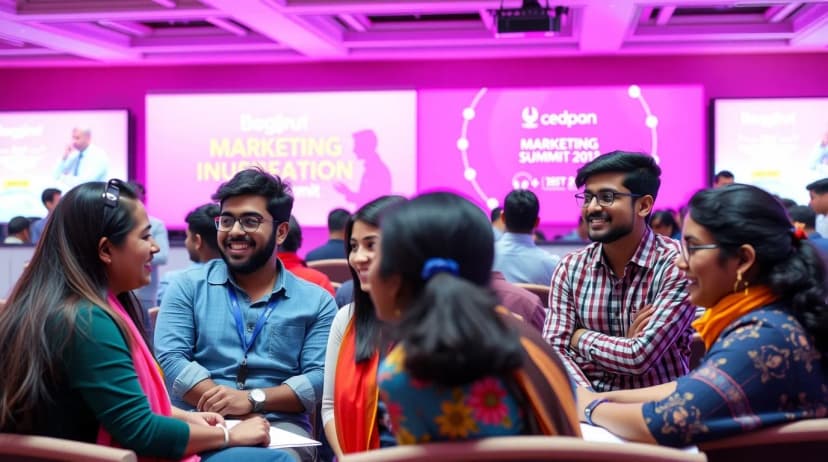
Marketing Excellence Summit
The summit brings together leading marketing professionals and brand strategists for an intensive learning experience. Students participate in live case discussions, simulation-based activities, and expert panel interactions that enhance their understanding of consumer behavior, evolving digital landscapes, and strategic brand development in competitive markets.
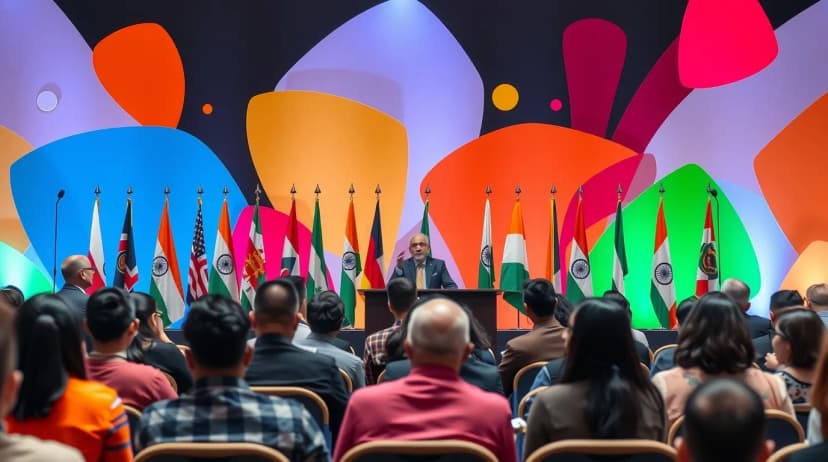
World Education Congress
Participation in the World Education Congress exposes students and faculty to global perspectives on education innovation, evolving learning models, and emerging trends in industry-academia collaboration. The experience broadens academic outlook and encourages engagement with international best practices in higher education.
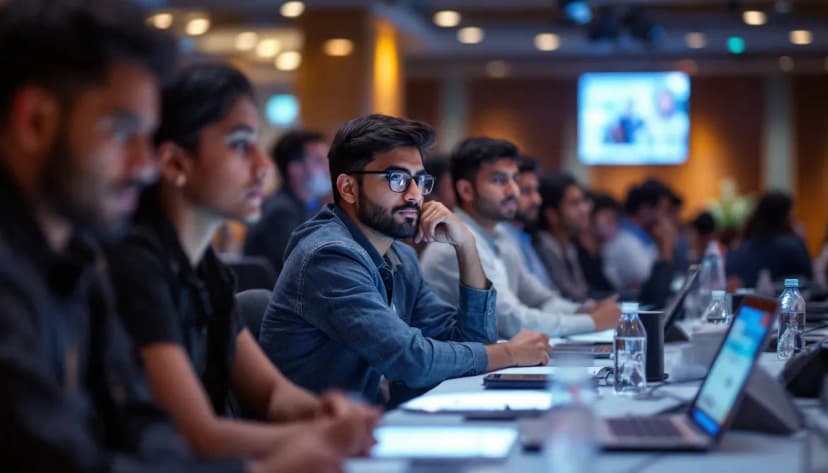
World HRD Congress
This global platform offers insights into the evolving world of human resources and talent management. Students gain exposure to discussions on future-ready workplaces, technology-driven HR practices, leadership development, and global workforce trends shaping organizations worldwide.
HR Excellence Summit
The HR Excellence Summit creates a forum for interaction with senior HR leaders and practitioners. Through focused discussions on employee engagement, diversity and inclusion, organizational culture, and people development, students learn directly from professionals shaping modern workplace practices.
Exposure Trips
Exposure trips form an integral part of the learning experience by providing students with firsthand understanding of business operations and sustainability practices within an MBA in Sustainability Management program. These visits offer practical insights into organizational processes, industry challenges, and real-world decision-making. By observing professionals in action, students strengthen contextual learning, enhance industry awareness, and develop a deeper appreciation of how academic concepts are applied within diverse operational environments.
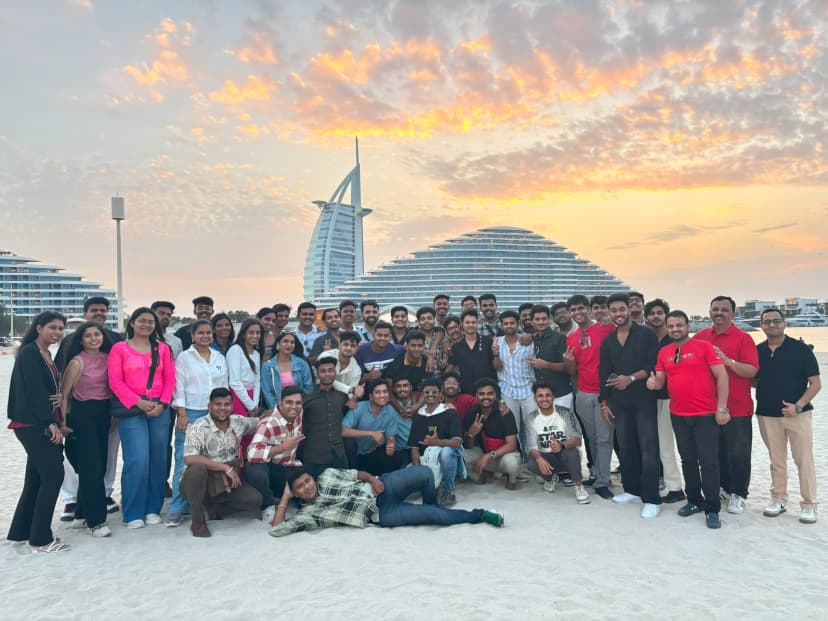
International Business Exposure Program (IBEP) – Dubai, UAE/ Thailand/Singapore/Malysia
At the School of Business, learning extends well beyond traditional classroom boundaries. The International Immersion Program is designed to provide students with direct exposure to global business environments, corporate practices, and cross-cultural management.
Through curated industry visits and interactions with international professionals, IIP combines academic learning with experiential and cultural understanding. Students gain practical insights into global trade, logistics, innovation ecosystems, and strategic decision-making while engaging with the dynamic business landscape of the UAE/ Thailand/Singapore/Malysia
Key Highlights:
- Guided visits to prominent multinational organizations
- Academic interactions hosted by reputed international universities
- Expert-led masterclasses by global professionals
- Exposure to business practices across logistics, finance, and retail sectors
- Cultural learning through heritage experiences and city exploration
- Opportunities to build global professional networks
- Application of classroom concepts within real-world international business contexts
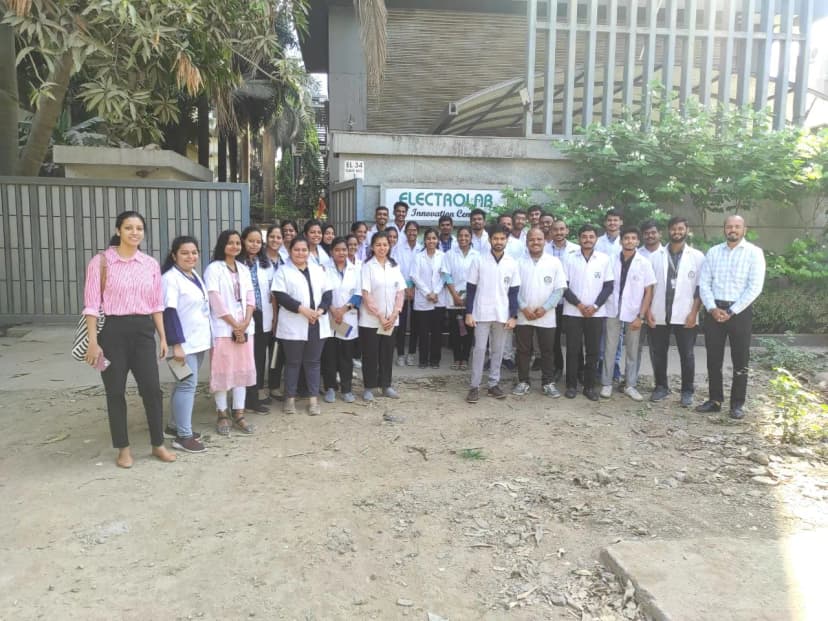
National Immersion program (NIP) – Goa, India
The National Immersion Program (NIP) in Goa offers students a unique blend of professional learning and cultural experience within the Indian context. Set in the lively and scenic environment of Goa, this program combines industry exposure, expert sessions, and networking opportunities with personal exploration. Students enhance critical thinking, communication, and business skills while engaging with the dynamic local business and cultural landscape.
Key Highlights:
- Exclusive visits to leading industries
- Sessions with industry experts
- Strategic networking opportunities
- Immersive cultural experiences
- Leisure time at beaches
- Hands-on business skill development
- Memorable and engaging adventures
| SEMESTER I | ||
|---|---|---|
| Choice | Course | Credit |
| All | Sustainability Foundations & Global Governance Frameworks | 2 |
| Corporate Sustainability in the Indian Context | 2 | |
| Operation & Supply Chain Management | 2 | |
| Climate Change, Justice & AI-Enabled Climate Analytics | 2 | |
| Business Analytics Foundation | 2 | |
| Managerial Economics | 2 | |
| Legal & Business Environment | 1 | |
| Business Research Methods and Statistics | 3 | |
| Business Communication Skills | 1 | |
| Governance and Policy | 1 | |
| Decoding AI & Fundamentals of AI Prompting | 1 | |
| Indian Knowledge System | 2 | |
| SOUL | 1 | |
| Any Two | AI- Enabled Life Cycle Assessment & Environmental Impact Analytics | 1 |
| Energy Systems & Fossil Fuel Economics | 1 | |
| Sustainability Management in Organisations | ||
| Renewable Energy Systems and Technologies | ||
| Total | 24 | |
| SEMESTER II | ||
|---|---|---|
| Choice | Course | Credit |
| All | Financial Management | 2 |
| International Business Environment | 2 | |
| Decision Science | 2 | |
| Social Impact Studio | 1 | |
| Field Project | 3 | |
| ESG Strategy & Corporate Governance | 3 | |
| Sustainable Supply Chain & Operations Strategies | 3 | |
| ESG Analytics & AI-Driven Sustainability Reporting | 3 | |
| Environmental Laws & Regulatory Framework | 3 | |
| Any One | Carbon Accounting & Climate Disclosure Management | 2 |
| Natural Resource Economics & Sustainability | ||
| Any One | Energy Management & Audit Practices | 2 |
| Social Impact Assessment & Data-Driven Sustainable Development | ||
| Total | 26 | |
| SEMESTER III | ||
|---|---|---|
| Choice | Course | Credit |
| All | Strategic Management | 3 |
| On The Job Training (OJT) | 8 | |
| Sustainability Management | 2 | |
| Circular Economy Strategy & Design Innovation | 3 | |
| Sustainable Agriculture & Climate-Resilient Food Systems | 3 | |
| Any One | Biodiversity, Natural Capital & Sustainable Supply Chains | 2 |
| Corporate Sustainability Case Analysis | ||
| Any Two | Water Stewardship, Basin Governance | 3 |
| Sustainable Finance & Impact Investment Strategy | 3 | |
| Responsible AI & Digital Sustainability Governance | ||
| Any One | Climate Risk & Resilience Management | 2 |
| Renewable Energy Project Finance & Development | ||
| Total | 29 | |
| SEMESTER IV | ||
|---|---|---|
| Choice | Course | Credit |
| All | Cyber Security | 0 |
| Research Project | 6 | |
| Sustainable Manufacturing Systems & Strategy | 3 | |
| Any Two | Sustainable Innovation & Venture Strategy | 2 |
| Sustainability Leadership & Stakeholder Management | 2 | |
| Enterprise Sustainability & Decarbonisation Strategy | ||
| Any Two | Integrated Water Resource Management | 3 |
| Sustainable Consumption & Behavioural Strategy | 3 | |
| Sustainable Value Chains & Food Systems | ||
| ESG Assurance & Sustainability Audit | ||
| Any One | Sustainability Consulting Practice | 2 |
| Green Entrepreneurship & Sustainable Start-up Development | ||
| Total | 21 | |
| Grand Total | 100 | |
Career Opportunities
Graduates of the MBA in Sustainability Management are well positioned to pursue careers that align business performance with environmental and social responsibility. The program equips learners with the strategic, analytical, and regulatory knowledge required to address sustainability challenges across industries. Career opportunities for MBA in Sustainability Management graduates span corporate, consulting, public, and non-profit sectors, where professionals support ESG implementation, sustainability reporting, risk management, and responsible growth initiatives. With increasing emphasis on sustainable practices, graduates can contribute to decision-making roles that drive long-term value, compliance, and positive societal impact.
The career opportunities for MBA in Sustainability Management students include:
Sustainability Manager
ESG Analyst
Corporate Social Responsibility Manager
Environmental Compliance Manager
Sustainability Consultant
Impact Assessment Specialist
ESG Reporting Specialist
Climate Risk Analyst
Responsible Supply Chain Manager
Circular Economy Manager
Energy and Resource Efficiency Manager
Social Impact Manager
Sustainable Finance Specialist / ESG in Finance
Net Zero Program Manager
Sustainability Reporting & Assurance Specialist
Apply for MBA in Sustainability Management
The application process at Indira University is designed for ease and clarity. From registration to the final submission, each step is carefully structured to guide applicants through a smooth and straightforward experience. This approach ensures that candidates across all programs can complete their applications efficiently, making the admission journey seamless and stress-free.
Minimum 50% aggregate in Graduation (3/4 Year Full- time Bachelor’s Degree) in any stream from UGC approved University or equivalent (at least 45% marks, in case of Reserved Class category candidate belonging to Maharashtra State only)
And
A valid, non-zero score in any recognized MBA entrance exam, such as Indira CET (PG), CAT, MAT, XAT, CMAT, ATMA, MAH MBA CET, CUET PG, or any state-level CET
Our Scholarships
At Indira University, we are committed to making education accessible to all. To uphold this mission, we provide a variety of scholarships for students with financial constraints. These opportunities aim to eliminate economic barriers, allowing deserving and talented individuals to pursue their academic goals freely and dedicate themselves fully to shaping successful and rewarding careers.

Advisory Board Members – MBA in Sustainability Management
The Advisory Board for the MBA in Sustainability Management brings together distinguished leaders from sustainability, ESG, policy, consulting, and industry domains. Their collective expertise ensures that the program remains aligned with global sustainability priorities. Our board members play an active role in shaping the program’s academic and experiential learning framework. They provide strategic guidance on curriculum design that integrates critical areas such as ESG reporting, climate risk, sustainable finance, circular economy, and responsible business practices. Their inputs help bridge the gap between academic learning and real-world application.
Frameworks such as GRI, SASB, TCFD, ISSB, BRSR, and the UN SDGs. The Advisory Board also provides industry insights on emerging sustainability trends, regulatory changes, and corporate expectations. It helps Indira University strengthen its industry connection, which enhances career readiness in our students through skill development aligned with sustainability roles across sectors. Such initiatives encourage innovation and research in sustainability-focused business practices.
With their guidance, the MBA in Sustainability Management evolves as a future-ready program, equipping students not only with knowledge but also with the strategic mindset required to lead sustainable transformation in organizations.
Advisory Board
Mr. Mansukh Patel,
Head - Sustainability & Corporate EHS, Hikal Limited, Navi Mumbai
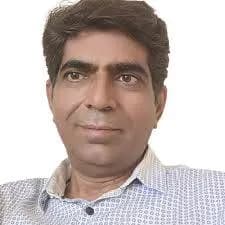
Mr. Mansukh Patel, Vice President of Sustainability and EHS (Corporate) at Hikal Ltd, holds expertise in integrating Environmental, Social, and Governance (ESG) principles into business strategies. He also attends industry summits where he discusses how ESG can drive business competitiveness.
Jyothi Gupta,
Associate Professor, Christ University, Bangalore

Jyothi Gupta is an Associate Professor at Christ University, Bangalore. Her 18 years of experience span architecture and Geospatial Data Science. She has worked in urban analytics and city simulation modelling and is currently pursuing doctoral research in urban spatial data science. She is a recipient of the Global Smart Cities Champion award from the World CSR Congress. Her profile reflects excellence in research, practice, and academic leadership.
Ms. Anjana Sharma,
Head - Sustainability Services - India, DNV Business Assurance India Private Limited
Ms. Nishtha Gupta,
Head-Sustainability & ESG, SUZLON Group, Pune
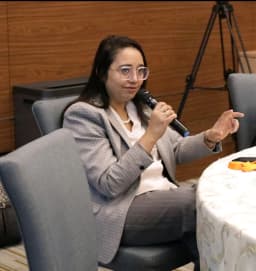
Ms. Nishtha Gupta is a seasoned sustainability professional with extensive global experience in sustainability, ESG, and environmental compliance across diverse sectors such as solar, wind, hybrid energy, biomass, thermal power, cement, mining, hydropower, infrastructure, real estate, industrial operations, landfills, and sewage treatment plants. Her expertise spans EHS&S audits and regulatory compliance, Environmental and Social Impact Assessments (ESIA), Environmental and Social Due Diligence (ESDD), and ESA Phase I & II, along with securing environmental clearances from the Ministry of Environment, Forest, and Climate Change.
Dr Sanjiv Kawishwar,
Chief Sustainability Officer (CSO), POWERCON Ventures India Pvt Ltd
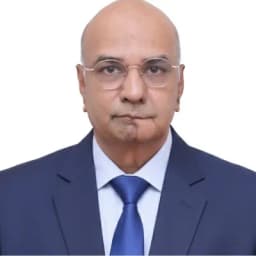
Dr. Sanjiv Kawishwar is a seasoned Renewable Energy Technologist with over 25 years of leadership experience in sustainability, engineering, and renewable energy. His domain expertise spans wind-type certification, IEC standards, and regulatory compliance. Along with holding the position of Chief Sustainability Officer of Powercon Ventures India Pvt. Ltd, Dr. Kawishwar is a Certified Independent Director with strong board-level governance experience and a Chartered Engineer and Six Sigma Black Belt. His leadership in QHSE (Quality, Health, Safety & Environment) has contributed significantly to building robust safety cultures and ensuring compliance across organizations.
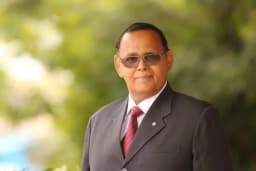
Col (Dr.) Bharat Sharma,
Colonel, Indian Army (Veteran), Executive Director & CTO, POWERCON Ventures India Pvt Ltd
Dr. Yogesh D. Sonawane,
Vice President: ESG Unit Head -Sustainable Finance, HDFC Bank

Dr. Yogesh D. Sonawane holds 20 years of experience in corporate sustainability, ESG, net zero strategy, energy management, and climate finance. He currently leads the Corporate Sustainability Centre of Excellence (CoE) and drives the development and implementation of net-zero pathways, low-carbon roadmaps, and sustainable finance initiatives for business transformation. His expertise spans energy, infrastructure, manufacturing, retail, consulting, and hospitality, with a strong focus on infrastructure sectors such as water, transport, and energy.
Ms. Darshana Gajare,
Head of Sustainability, Reliance Brands Limited, Mumbai

Currently serving as Head of Sustainability at Reliance Brands Limited, Ms. Darshana Gajare is a prominent sustainability leader in India’s fashion industry. She drives sustainable initiatives, including the Circular Design Challenge and Lakmé Fashion Week’s sustainable initiatives, and has been recognised as an ELLE Sustainable Fashion Changemaker.
Mr. Rajiv Ramlugon,
Group Chief Sustainability Officer, Omnicane
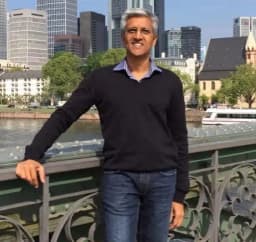
Mr. Rajiv Ramlugon heads Sustainability at Omnicane, an agro-industrial group based in Mauritius. He focuses on energy transition, aiming to achieve 100% renewable energy generation by 2030 through sustainable biomass. His expertise in sustainability spans various achievements, such as representing the Mauritian delegation at COP28, participating in panel discussions regarding climate action and greenhouse gas reduction targets, and winning the “Top Most Sustainability Leader Award” at the 15th Edition World CSR Congress in Mumbai.